“Public Sphere”
Through the multiple readings we went over in class, we were able to open up as well
as join in on the conversation of literacy. Literacy is a fairly new topic for me but this
quarter it seems to be a common factor in a lot of our discussions even in my other classes.
Literacy is a difficult word to define because of how broad the topic can be and how vast
it reaches across multiple different mediums and platforms available to us now that were not
available to us say 50 or 60 years ago. Because of this new era of technology and the fact
that we belong to a society that believes literacy is necessary and important, we are forced
to ask some important questions.
The questions that arise are: who defines literacy? what makes someone literate or illiterate?
And what can you be literate in? This is interesting because literacy is defined by the
society it finds itself in. And because of this, analyzing what is considered to be literate
now and what was considered literate years ago, can be used as a way of tracking how society
has changed and evolved in what they (as a society) held as valuable
Literacy is defined as the
Giving/ getting messages via written or recorded technologies.
Based on several reading of the class, it seems to be that literacy can come in many different
forms.
Literacy can take place in different areas:
– In the mind
– Within a culture
– Dependent on class
– Work
– And Technology
This is usually defined and established by people in power who set a standard to be followed.
Whether someone is literate or not is dependent on whether or not they are able to perform
up to the standards of what society has dictated to be Literacy.
Literacy in topics are expressed through the public sphere.
According to the Chapter one of Public Literacy by Elizabeth Ervin,
“Public sphere refers to geographical, textual, or technological sites and forums that are
accessible to people (usually at no expense), invite their participation, and provide
opportunities for that participation. “
According to the readings, public sphere is not just limited to one public but is spread
across: Global, National, Local, and Everyday publics.
Each public can be broken down even further. For example, Everyday publics can include
gender, race and ethnicity, and religions publics along with many others.
Each area brings its own specific set of rules (defined by people in power) as to what is
considered literate in topics concerning each genre.
For example, the issue of wages can be viewed through the lenses of each of the four
different levels of public sphere and require a set knowledge of the language needed to be a
participant in the conversations.
It also requires some key components in order to persuade an intended audience.
*Ethos (credibility), Pathos (emotional), and logos (reasoning)
What I took from these reading and the discussions in class is that we now have access to so
much information at a much faster speed than ever before. We have access to issues all over
the world at the palm of our hands and because of this speed and the competitive nature it
inspires, we are being exposed to information that is not being properly filtered through and
researched with the care that it requires. We also face the problem of having to now find ways
in which to stand out in a sea of material if we want to be heard on these topics.
So although we are a at an advantage of getting information minutes after it has happened,
we also face the risk of being exposed to fake news.
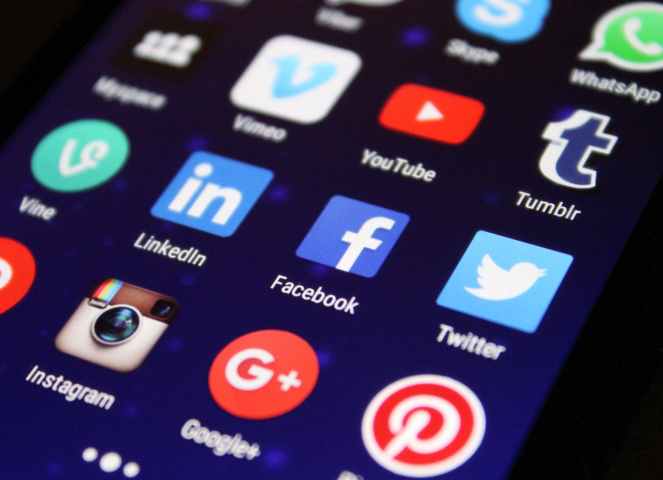
And because we have so many outlets now such as the wave of social media continues, we also
have new literacies being created along with it. There is now a literacy in social media, in
news anchors, in books, blogs, podcasts and so many more.
There are so many new ways to express one’s opinions, share information, and have a
conversation.
It now comes down to knowing how to navigate the space and engage in it.
 Life in the Public